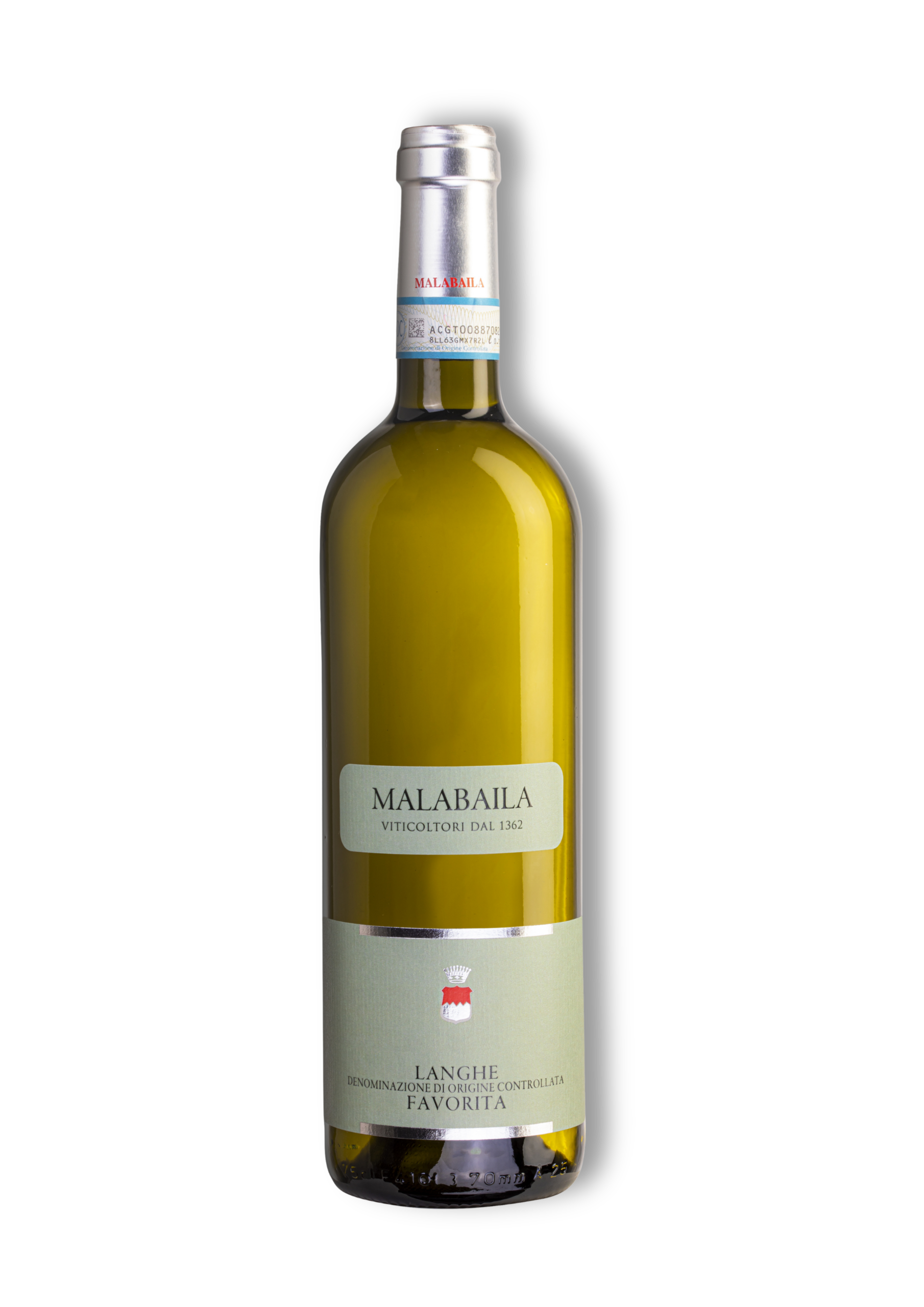
In 1508, Count Daniele Malabaila of Canale purchased a piece of land described in the documents of the time as:
“in montem Bonvicini, terram, gerbum, boscum et pratum cum motta ibidem existente…”.
It is precisely on this steep and well-exposed hill, characterized by loose soils of marine origin that emerged during the Pliocene, that the decision was made to cultivate the grape that arrived from Liguria through the so-called Via del Sale, the ancient trade route used to transport salt from the Ligurian coast to Piedmont.
Da questo incontro tra territorio e storia prende forma un vitigno che, insieme all’Arneis, è oggi considerato autoctono del Roero. Il suo nome deriva dal particolare favore di cui godeva rispetto ad altre uve: apprezzata sia come uva da tavola, sia per la produzione di vini, qualità che ne ha favorito la diffusione e la presenza nel territorio nel corso dei secoli.
Il Langhe DOC Favorita Malabaila è ottimo per aperitivi, formaggi freschi e primi piatti delicati.